

The evolution of wide play in association football has fundamentally shifted how matches are analyzed, coached, and broadcasted across digital platforms like KickIndi. Whether dissecting tactical setups in the Indian Super League (ISL) or high-stakes European fixtures, understanding wide-area dynamics is crucial for fans and analysts alike. At the heart of modern tactical discourse lies a fascinating debate: the inside cutter versus the traditional touchline dribbler. Mastering modern winger tactics inside cutters vs traditional touchline dribblers allows pundits and content creators to unpack how matches are won and lost in the final third.
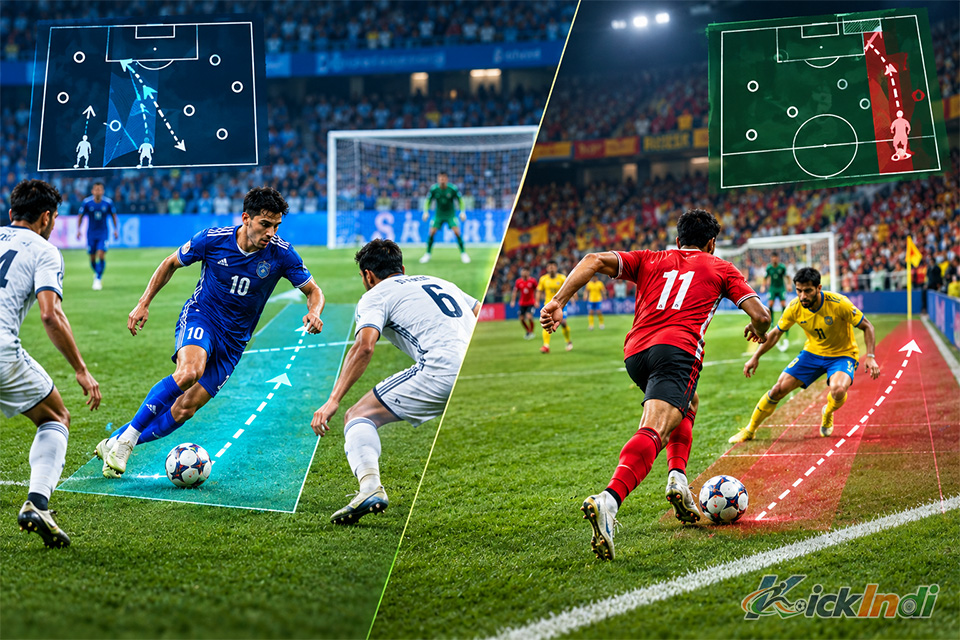
Tactical Evolution of Wide Forwards
Historically, wingers were defined by their ability to hug the chalk, beat full-backs down the flank, and deliver whipped crosses into the box. However, the rise of the inverted role transformed tactical landscapes globally.
- The Traditional Touchline Winger: Operating predominantly on their natural side (right-footed on the right, left-footed on the left), these players rely on blistering acceleration, body feints, and explosive changes of pace to isolate defenders in 1v1 situations.
- The Inside Cutter (Inverted Winger): Operating on the opposite flank of their dominant foot, these modern operators look to drift infield into the half-spaces, unleashing curling shots or executing intricate through-balls.
Understanding the core tactical differences between touchline wingers and inverted wide forwards helps explain why contemporary managers alter their defensive structures. While a traditional winger stretches the opponent’s defensive block vertically and horizontally, an inside cutter collapses the defense, opening overlapping lanes for modern attacking full-backs—a vital tactical mechanism frequently observed in top-tier tactical breakdowns.
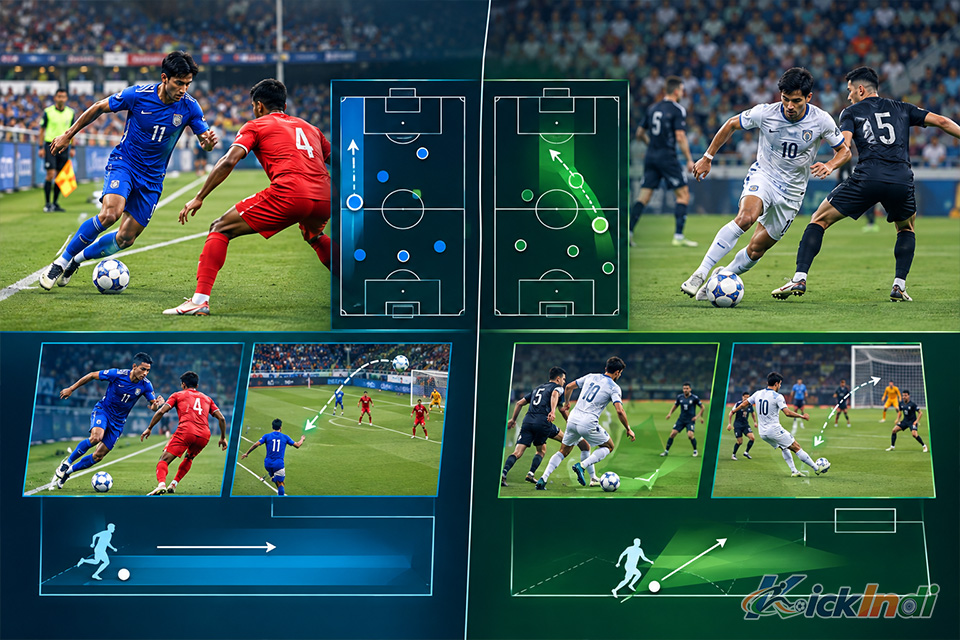
Comparative Analysis of Winger Archetypes
To fully grasp the impact of these two profiles on match outcomes, expected goals (xG), and tactical efficiency, a direct comparison of their statistical metrics and strategic outputs is essential.
| Tactical Parameter | Traditional Touchline Dribbler | Modern Inside Cutter |
| Primary Zone of Operation | Outer flanks / Touchline channels | Half-spaces / Central scoring zones |
| Dominant Foot Action | Out-to-in acceleration & Byline crosses | In-to-out cuts & Diagonal shooting |
| Core Statistical Output | Cross accuracy, Dribble success rate, Key passes | Shot-creating actions, Goals from outside box, xG contribution |
| Defensive Responsibility | Tracking opposition full-back deep into flanks | Narrow defensive block positioning & Counter-pressing |
| Primary Objective | Stretches defense horizontally, creates width | Overloads central zones, creates shooting angles |
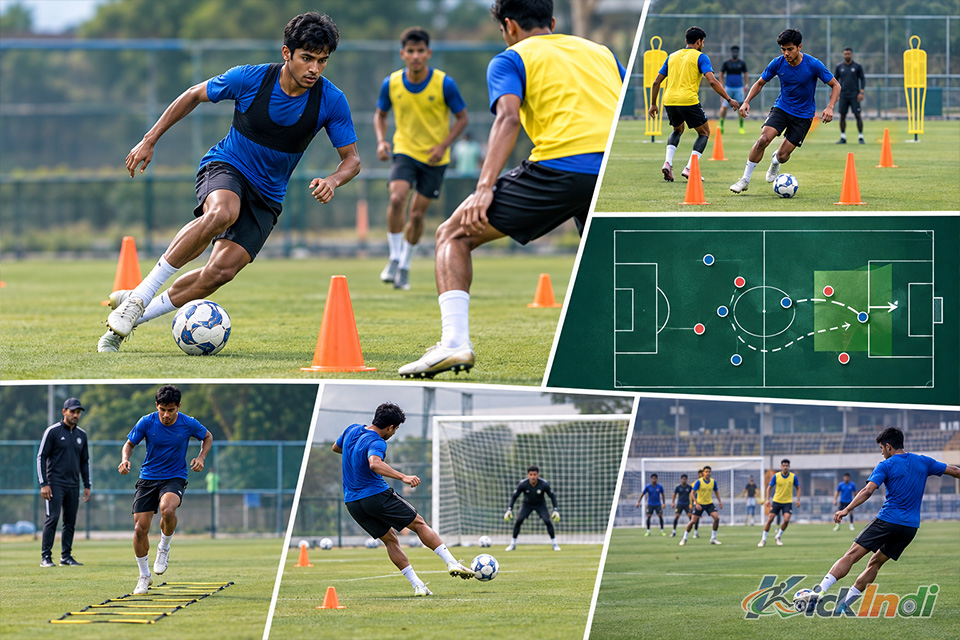
Coaching Methodologies and Development Pathways
Developing world-class wide players requires rigorous training ground replication of matchday scenarios. Academy directors and grassroots coaches must implement specialized training routines that bridge raw athletic ability with elite tactical intelligence.
Implementing the best drills for developing inside cutting wingers in modern football involves creating tight, congested central training zones that force players to scan efficiently, protect the ball under high-intensity pressure, and execute rapid body orientation shifts before shooting. Conversely, training touchline specialists requires expansive 1v1 isolation grids on the flanks.
To bridge the gap between individual skill execution and collective team output, modern academies focus heavily on training frameworks that teach how to coach modern wingers to master inside cuts and crosses. Coaches use shadow-play sessions and video analysis feedback loops to refine decision-making in the final third, ensuring that players recognize when to release an early cross versus when to drive inward for an angled finish.

Impact on Match Commentary and Betting Markets
In professional post-match analysis—particularly within the “Match Commentary” vertical—recognizing which winger archetype dominates a fixture offers profound predictive value for match outcomes and live betting markets. When a team deploys an elite inside cutter against a vulnerable central defensive block, the probability of goals scored from outside the penalty box increases significantly, shifting live odds for goalscorer markets and total match goals.
As Indian football continues its rapid tactical maturation, analyzing these tactical nuances provides fans with deeper insights into match dynamics, elevating the quality of digital sports commentary and tactical reporting across the subcontinent.
































 England

 Spain
 Italy

 Germany

 France

 Netherlands

 Portugal
 Brazil

 Belgium
for his age... the player has been instrumental for Central with key contributions in the final third all season... Loved it...
👀 overrated embarrassing